Burnham's big worry isn't Brexit or welfare, it's Trump and Iran
Published in News & Features
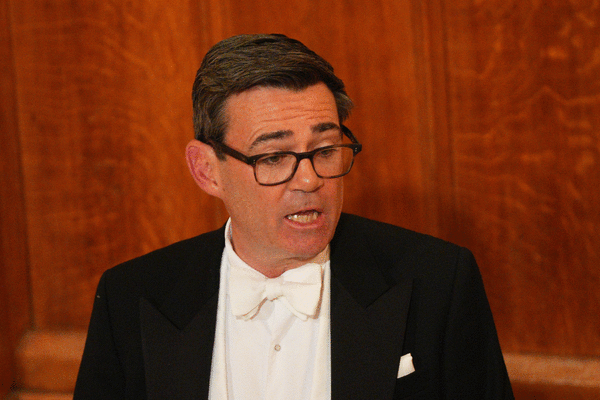
LONDON — In public, Andy Burnham’s recent focus has been on securing better trade terms with the European Union and reforming Britain’s welfare system. In private, the prime minister has been preoccupied by a more global problem: what happens next in the Iran war.
For several weeks, Burnham and his most senior Cabinet colleagues have been consumed by the possibility Donald Trump could resume major strikes on Iran, according to people familiar with the matter. While the U.K. has taken hope the Republicans’ defeat in the midterms might temper Trump’s foreign policy, ministers see the U.S. president weighing options for a fresh attack, they said, a prospect that appears to have grown in recent days.
Burnham on Friday sealed a deal for closer EU ties that he said could boost the economy by 0.5% a year, bring down food prices and raise the prospect of lower electricity prices. But looming in the background is Iran. Even if Trump decides against resuming his war, the grim reality for Burnham is his officials have told him all plausible outcomes will have a negative effect on the U.K.’s economy and security.
As a result, the British premier faces searching questions about how to navigate the coming months and whether he can avoid conflict in the Middle East souring what has been a broadly positive start to his administration since he took power in July.
The U.K. sees little prospect of a negotiated settlement between the U.S., Israel and Iran, and assesses that economic pressure is failing to secure concessions from Tehran, according to people familiar with the matter — a view which runs contrary to the U.S.’s public position that its strategy is working. Like others for this story, they spoke on condition of anonymity about the government’s internal thinking.
A U.S. official noted that Trump and Secretary of State Marco Rubio have said the administration’s economic pressure campaign against Iran is hurting Tehran so much that major strikes aren’t necessary, but the president is keeping all options open.
Iran retains sufficient missile stockpiles and wider military and cyber capabilities to mount a significant response if it’s attacked again, the people said. Its regime has been emboldened to plot more aggressive activity in the region as well as brazen proxy operations in the West, they said, adding that a new U.S.-Israeli campaign would be unlikely to deter Iran from escalating.
Those warnings have led to tense conversations between Burnham, Foreign Secretary Ed Miliband, Defense Secretary Wes Streeting and Chancellor of the Exchequer John Healey about scenarios that would profoundly affect the fortunes of their government and the economy, the people said. That’s led to frustration on occasion at the lack of plans to prevent the looming economic hit, they said.
Senior officials have urged No. 10 Downing St. to appoint more high-level foreign policy advisers to coordinate between departments and reflect the effect world affairs would have on Burnham’s premiership as his existing political aides focus on domestic issues.
The situation in Iran keeps upward pressure on energy prices, feeding into wider inflation. To dampen that, the Bank of England raised its benchmark interest rate by a quarter of a percentage point earlier this month, and on Wednesday, Gov. Andrew Bailey said more hikes will be needed the longer the conflict goes on.
Markets are betting on another rise by February, and the Bank sees inflation, up this week to 3.6%, heading toward 5%. Bloomberg Economics sees a cap on household energy bills rising 25% in January, exacerbating the cost-of-living crisis that Burnham has promised to tackle.
Britain along with Gulf Arab allies have been privately lobbying the U.S. against launching fresh strikes, in a bid to counter what they say are Israeli arguments in favor, officials said. From a British perspective, the worst-case scenario is that Trump and Israel resume full-scale war in Iran, leading to Iranian retaliation in the Gulf and prolonged damage to the global economy, officials said.
A middle scenario whereby the U.S. and Israel launch a final, brief salvo of major strikes and then declare victory would also have adverse outcomes, including retaliation and more disruption to energy flows, they said. This outcome was seen as likely by Britain around the time of the U.S. midterms, leading to a flurry of undisclosed meetings, diplomatic outreach and contingency measures, a British official said.
That’s raised the prospect of the U.S. using British bases to launch more attacks on Iran. Burnham’s top team has had to consider this possibility again in recent weeks and game their response to any resumption of operations by Trump, officials said.
One described the decision as a nightmare: Either the U.K. rejects basing requests and damages further the so-called special relationship at a time when Britain is seeking U.S. support in the Russia-Ukraine war, or it permits their use for a war Britain strongly opposes. Burnham and his Cabinet would likely look to maintain their existing position on basing, asking the U.S. not to launch its first strikes from U.K. bases while allowing them to be used in ensuing strikes, officials said.
Economic considerations aside, the U.K. is particularly concerned about a further increase in threats to its bases worldwide, as well as Iranian-backed cyber and terror threats in Britain if the conflict resumes, the officials said. The next weeks and months remain highly uncertain and unpredictable, they cautioned.
Even the best-case scenario envisaged by British officials — that Trump walks away without further military action but also without a peace deal — would likely leave Tehran in control of the Strait of Hormuz, charging fees for transit and preventing a quick economic recovery, they said.
It is hard to see a scenario where there isn’t at least one more BOE rate hike, rising inflation and subdued growth over the next year, an official said. Markets are currently pricing in three additional rate increases.
They argued that for all the public focus No. 10 is putting on Burnham’s domestic agenda, EU rapprochement and a 10-year plan for Britain to be unveiled next month, it’s Trump and Iran that will be far more consequential for his government.
(Skylar Woodhouse and Aline Oyamada contributed to this report.)
©2026 Bloomberg L.P. Visit bloomberg.com. Distributed by Tribune Content Agency, LLC.





Comments