US army orders weapons storage review ahead of Iowa explosion
Published in Science & Technology News
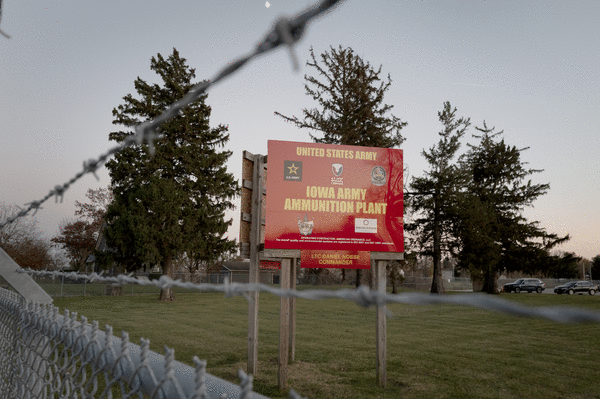
WASHINGTON — The U.S. Army has ordered a review of its weapons storage facilities nationwide after the discovery of dangerously deteriorated explosives at an Iowa ammunition plant raised concerns about potential lead contamination in surrounding communities.
Acting Army Secretary Adam Telle said on Tuesday that he had directed a thorough examination of storage facilities to prevent a repeat of the situation in Iowa, where the military is preparing to destroy a stockpile of lead azide in a Wednesday morning controlled detonation. The plans triggered outrage from nearby communities and U.S. lawmakers.
“We’ve always made sure our weapons storage facilities are safe, but we are redoubling that effort now and we will be examining every single storage facility across the U.S. Army,” Telle said at a press conference in Iowa. He added that he anticipated other parts of the Pentagon would undertake similar efforts.
The situation has sparked bipartisan criticism, with members of Iowa’s congressional delegation urging the Trump administration to explain how the situation reached such a critical stage and calling for an investigation and accountability measures.
Kentucky Representative Thomas Massie, an outgoing Republican who tried to impeach Defense Secretary Pete Hegseth earlier this month, wrote on social media: “Should Hegseth remain as @SecWar if he detonates a dirty bomb in America’s breadbasket?”
The U.S. Department of Agriculture estimates that about 350 farms could be affected based on the projected path of a potential plume from Wednesday’s planned detonation.
Iowa Republican Senator Joni Ernst, who is retiring in January, said she has met with representatives of the agencies involved and understands Iowans’ frustration with the lack of transparency.
“While the Army began discussing disposal with some communities months ago, critical details, including the potential lead plume and how far it could reach, were not part of those initial conversations,” she said in a Tuesday statement.
Federal officials said approximately 10,000 pounds of lead azide were consolidated at the Iowa facility in 2009, with some of the material at the time more than 60 years old and showing signs of deterioration. It was retained as a wartime reserve despite the military moving away from its use of lead azide.
While officials said an annual inspection of the stockpile took place in September 2025, the Army discovered in March that the barrels had deteriorated to the point where they were unsafe to move or handle. The barrels were stored in roughly 80-year-old bunkers that were not climate-controlled.
The Army is trying to mitigate the blast by replacing doors on the earthen-covered bunkers, employing two walls of four 16,000-gallon water tanks, and flooding the exterior of the magazines with a special foam.
“With all those measures, we think we have a very good chance of significantly reducing” the amount of lead particulate in the atmosphere, Colonel Aaron Teller, commander of the Army’s 71st Explosive Ordnance Disposal Group, said at the detonation site.
©2026 Bloomberg L.P. Visit bloomberg.com. Distributed by Tribune Content Agency, LLC.






Comments